Macular Degeneration
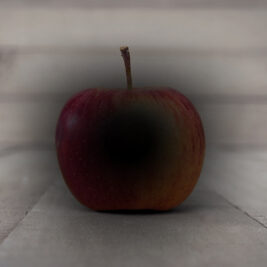
Age-related macular degeneration (AMD) is a condition that affects the central part of the retina, called the macula, which is responsible for sharp, central vision. In AMD, the macula deteriorates over time, leading to a gradual loss of clear sight. This can make it challenging to read, recognize faces, or see details. AMD is more common in older individuals and can come in two forms: dry AMD, also called geographic atrophy, which is characterized by the slow breakdown of macular cells, and wet AMD, involving abnormal blood vessel growth that can lead to sudden and severe vision loss. Regular eye check-ups are crucial for early detection and management of AMD.
In geographic atrophy, cells in the macula start to break down and die, leading to the formation of irregularly shaped areas of damaged tissue. These areas can grow over time, causing a loss of central vision. As a result, people with geographic atrophy may experience difficulty recognizing faces and performing tasks that require detailed vision. Current therapies for geographic atrophy have small benefits, and the mechanism of the disease is complex and obscure.
In wet AMD, abnormal blood vessels start growing beneath the macula, leaking blood and fluid. This can lead to sudden and significant vision loss. Imagine these vessels as leaky pipes affecting the central vision you use for reading and recognizing faces. Treatment options, such as injections, aim to slow down or stop this vessel growth, but it is crucial to catch and address wet AMD early through regular eye check-ups to preserve vision as much as possible. The mechanism of disease is relatively well understood: over-expression of VEGF drives new blood vessel formation. By reducing VEGF activity, it is possible to treat wet AMD effectively.
IOB researchers are devising ways to deliver anti-VEGF drugs directly under the retina — an approach that would require only a once-in-a-lifetime injection. A single administration would reduce the complications associated with high doses of anti-VEGF drugs while still having therapeutic efficacy.
Publications
High-efficiency base editing in the retina in primates and human tissues
Retinal Disorders
Optogenetic vision restoration
Get Involved
News & Insights